
Understanding Yarn Counts & Weaves: Selecting the Right Spec for Institutional & Retail Textiles
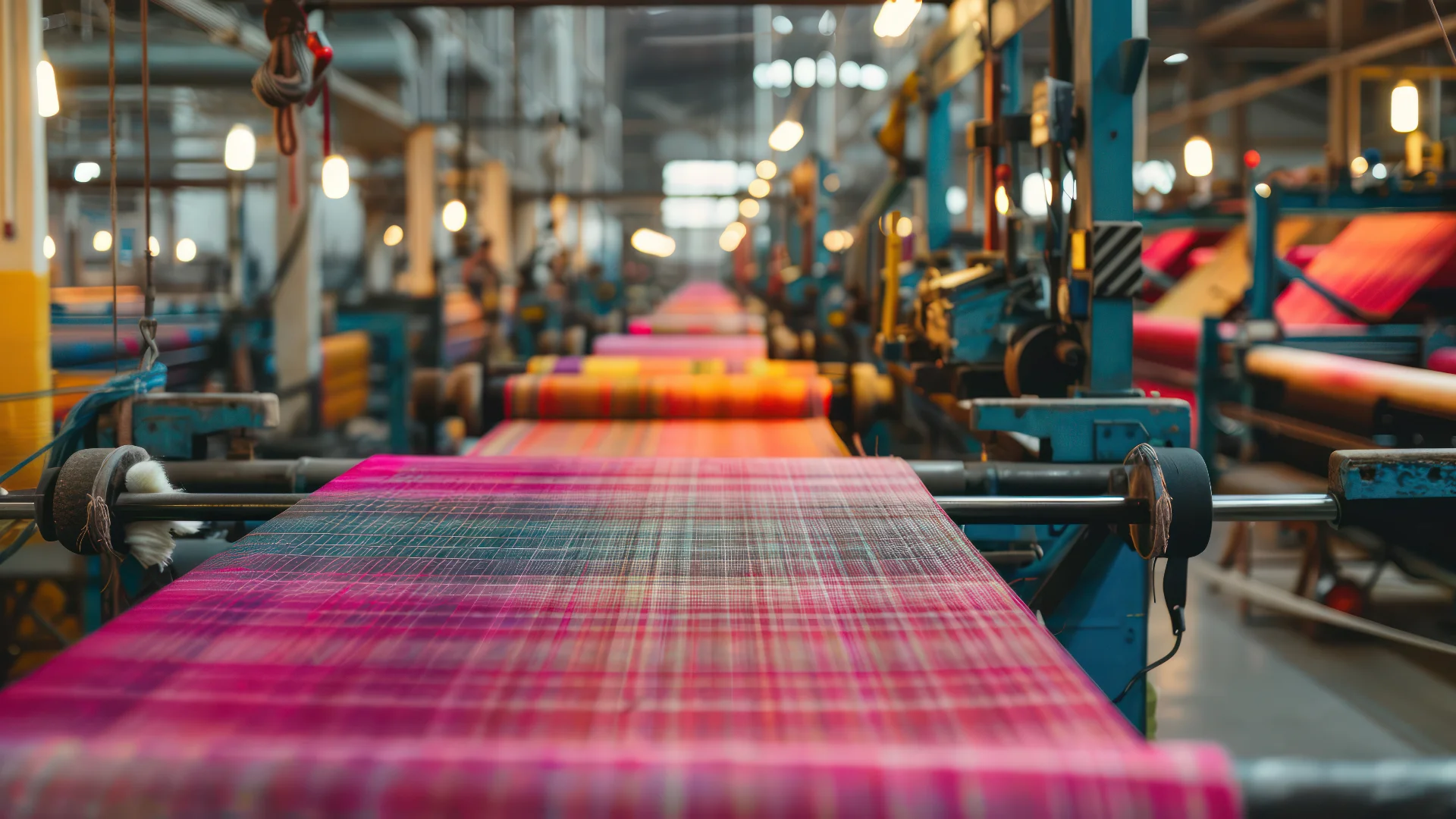
"Demystifying combed vs. carded yarn, ring-spun vs. open-end, and how weave density impacts durability in commercial towels and workwear."
1. Combed vs. Carded Yarn: Which Do You Need?
The choice between carded and combed yarn directly affects both yarn cost and fabric hand-feel. Carded yarn retains shorter fibres, providing a rustic, absorbent quality ideal for everyday towels, heavy canvas, and workwear. Combed yarn undergoes an extra processing step to remove short fibres and align long cotton strands, producing fine, uniform yarns essential for luxury bed linen, medical scrubs, and high-density apparel.
2. Ring-Spun vs. Open-End Spinning Techniques
Ring-spun yarn twists fibres continuously around a central axis, delivering superior tensile strength and softness suitable for premium knitwear and high-wash hospitality linens. Open-end (OE) spinning produces yarn at higher speeds with a coarser texture, making it an economical choice for heavy denim, industrial cleaning cloths, and promotional tote bags.
3. Terry Towel Loop Construction: Dobby vs. Jacquard
For institutional towels, pile height, loop density (GSM), and ground warp strength determine absorbency and lifespan. 100% Ring-Spun Cotton pile loops offer maximum water absorption, while double-ply ground warp yarns prevent selvage tearing in commercial laundries. Dobby borders provide elegant geometric framing, whereas Jacquard weaving allows custom woven logos and patterns directly into the towel structure.
4. Colorfastness & Chemical Finishing
For healthcare and institutional textiles, colorfastness to light, rubbing, and high-temperature washing is paramount. Reactive dyeing ensures vibrant shades with high wash-fastness (Rating 4+), while Indanthrene (VAT) dyeing is recommended for medical scrubs and surgical drapes subjected to chlorine bleach and autoclave sterilization.
Awais Textiles Quality & Sourcing Division — Faisalabad, Pakistan.